
One of the most effective investments you can make in yourself is to take care of your health. The road to improved health begins with simple, regular decisions, whether your goals are to increase your energy, reduce stress, lose weight, or feel better every day. Millions of individuals suffer from chronic sickness, poor sleep, worry, and bad habits in today's fast-paced society, yet the remedies are frequently easier than we realize. You can start living a better lifestyle right now with this comprehensive handbook, which covers everything from preventive care and mental wellness to diet and exercise. It is always possible to improve your health, regardless of your age, history, or starting place.
Why Should Health Be Your Top Priority?
Most people don't think seriously about their health until something goes wrong. But adopting a proactive approach — one that focuses on prevention rather than cure — can dramatically improve your quality of life. Good health isn't just the absence of disease. It encompasses your physical fitness, mental clarity, emotional balance, social connections, and even your sense of purpose.
Research consistently shows that people who prioritize their health tend to live longer, earn more, experience better relationships, and report higher levels of happiness. According to the World Health Organization's global health guidelines, health is "a state of complete physical, mental, and social well-being" — not merely the absence of illness.
The Connection Between Physical and Mental Health
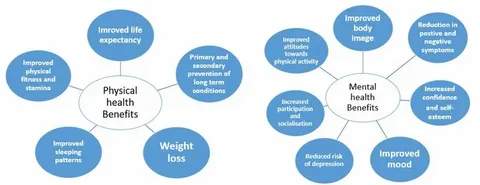
One of the most important things modern science has confirmed is that physical and mental health are deeply interconnected. Poor physical health can lead to depression, anxiety, and cognitive decline. At the same time, chronic stress and mental health problems can cause physical symptoms like high blood pressure, weakened immunity, and digestive issues.
This means that a truly healthy lifestyle must address both the body and the mind together, not in isolation.
The Foundation of Good Health: Nutrition
No single factor shapes your health more than what you eat. A balanced, nutrient-rich diet fuels every cell in your body, supports your immune system, regulates your mood, and protects against chronic diseases like diabetes, heart disease, and certain cancers.
What a Healthy Diet Actually Looks Like
Forget fad diets and complicated meal plans. A healthy diet is built around a few simple principles:
- Whole foods first: Fruits, vegetables, whole grains, legumes, nuts, and seeds should make up the bulk of your meals.
- Lean proteins: Choose chicken, fish, tofu, eggs, and beans over processed meats.
- Healthy fats: Avocados, olive oil, and fatty fish like salmon support brain and heart health.
- Limit ultra-processed foods: Items high in sugar, refined carbs, and artificial additives contribute to inflammation and chronic disease.
- Stay hydrated: Aim for at least 8 glasses of water daily. Dehydration affects concentration, energy, and mood.
Physical Activity and Health: Move Every Day
Regular exercise is one of the most well-researched ways to improve your health. Just 150 minutes of moderate-intensity activity per week — that's about 30 minutes a day, five days a week — can reduce your risk of heart disease, diabetes, depression, and early death.
Best Types of Exercise for Overall Health
You don't need a gym membership or expensive equipment. The best exercise is the one you'll actually do consistently.
- Walking: The most underrated form of exercise. A brisk 30-minute walk each day improves cardiovascular health and boosts mood.
- Strength training: Lifting weights or doing bodyweight exercises 2–3 times per week builds muscle, strengthens bones, and boosts metabolism.
- Yoga and stretching: Improve flexibility, reduce stress hormones, and support joint health.
- Cardio workouts: Running, cycling, swimming, or dancing elevate your heart rate and improve endurance.
Mental Health: The Overlooked Pillar of Wellness
Conditions like anxiety, depression, and chronic stress affect hundreds of millions of people worldwide and are leading causes of disability.
Practice mindfulness or meditation: Even 10 minutes a day of focused breathing can reduce cortisol levels and improve emotional regulation.- Limit social media: Studies show a strong correlation between excessive social media use and poor mental health, especially in young adults.
- Stay socially connected: Human connection is a fundamental health need. Strong relationships protect against loneliness, depression, and cognitive decline.
- Seek professional support: Therapy, counseling, or talking to a doctor is a sign of strength, not weakness. Mental health treatment works.
Preventive Health: The Best Medicine
 Make an appointment for yearly examinations with your health care provider.
Depending on your age and risk factors, have the blood pressure, cholesterol, blood sugar, and cancer screenings that are advised.
Maintain current immunizations against COVID-19, the flu, and other infections that can be prevented.
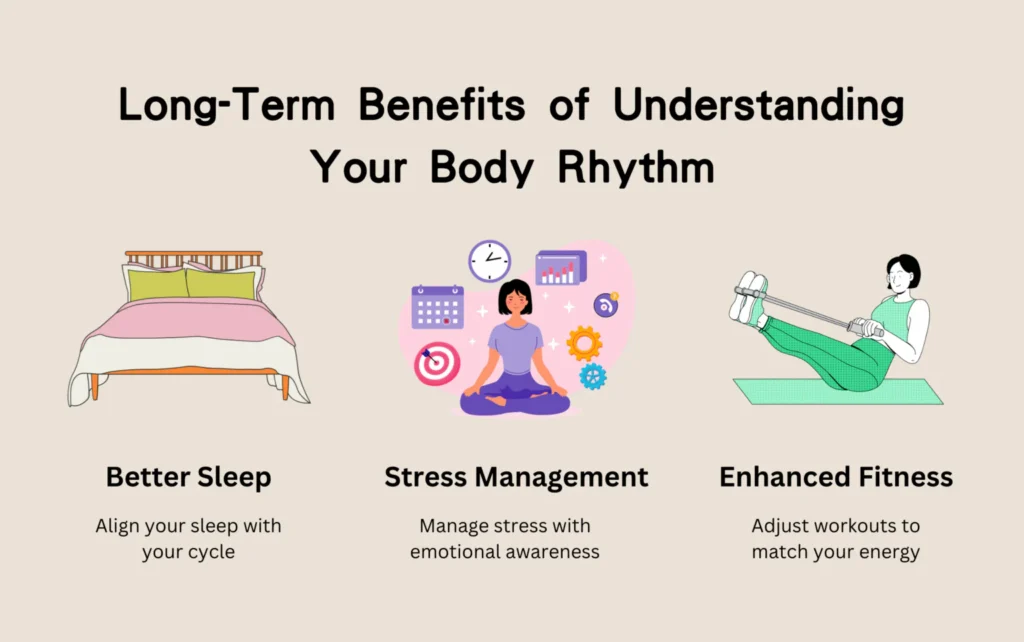
Sleep is not a luxury — it's a biological necessity. During sleep, your body repairs tissues, consolidates memories, regulates hormones, and strengthens the immune system. Chronic sleep deprivation is linked to obesity, diabetes, heart disease, poor mental health, and reduced life expectancy.
Make an appointment for yearly examinations with your health care provider.
Depending on your age and risk factors, have the blood pressure, cholesterol, blood sugar, and cancer screenings that are advised.
Maintain current immunizations against COVID-19, the flu, and other infections that can be prevented.
Sleep is not a luxury — it's a biological necessity. During sleep, your body repairs tissues, consolidates memories, regulates hormones, and strengthens the immune system. Chronic sleep deprivation is linked to obesity, diabetes, heart disease, poor mental health, and reduced life expectancy.
Stress Management and Its Impact on Health
Chronic stress is a silent threat to your health. It raises cortisol levels, increases inflammation, disrupts sleep, and contributes to nearly every major chronic disease. Learning to manage stress is not optional — it's essential.
Effective stress management strategies include regular exercise, social support, journaling, time in nature, deep breathing, and learning to say no to unnecessary commitments.