
The first and most crucial step anyone can take to live a longer, more satisfying life is to comprehend the fundamentals of personal health. But it's simple to lose sight of what really counts in a world full of conflicting wellness advice and quick fixes. Your daily decisions shape your own health, which is a journey rather than a destination. Going back to the fundamentals is always the best course of action, regardless of whether you are just starting to pay attention to your well-being or want to enhance habits you already have. With no jargon, no overwhelm, and doable actions you can begin right now, this guide deconstructs the fundamentals of health in a clear, approachable manner.
Why It Matters More Than Ever ?
In today's fast-paced world, people are busier than ever — and personal health often ends up at the bottom of the priority list. Stress, poor sleep, processed foods, and sedentary lifestyles have become the norm for millions. Yet the science is clear: how you treat your body and mind today directly shapes your quality of life tomorrow.
Understanding the foundations of personal health gives you a roadmap. Instead of chasing the latest fitness trend or diet fad, you learn to focus on principles that are time-tested and scientifically backed. These foundations act like pillars — remove one, and the entire structure weakens. Build all of them together, and you create a life with more energy, resilience, and joy.
The Core Pillars of Personal Health
1. Physical Activity: Moving Your Body Every Day
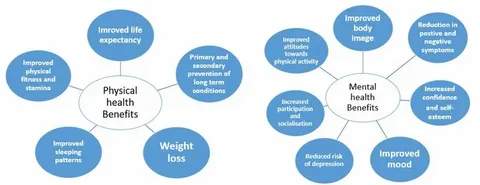
One of the most potent medications that people can use is movement, and it is completely free. Frequent exercise boosts bone density, builds muscle, strengthens the heart, increases circulation, and even improves brain function. Just 150 minutes of moderate activity per week, such as brisk walking, cycling, or swimming, can significantly lower the risk of chronic disease, according to World Health Organization studies. Consistency is more important than intensity. Begin modestly, maintain consistency, and expand from there. An hard workout once a week followed by six days of rest is far less beneficial than a 20-minute daily walk.2. Nutrition: Fueling Your Body with the Right Foods
What you eat is one of the most direct ways you interact with your health. Understanding the foundations of personal health means recognizing that food is not just fuel — it is information for your cells. Every meal either supports your body's functions or places stress on them.
You do not need a perfect diet. Aim for an 80/20 approach: eat nourishing, whole foods most of the time, and allow yourself flexibility. Hydration matters equally — most adults need 2–3 liters of water per day to support digestion, brain function, and energy levels.
3. Sleep: The Underrated Foundation of Health
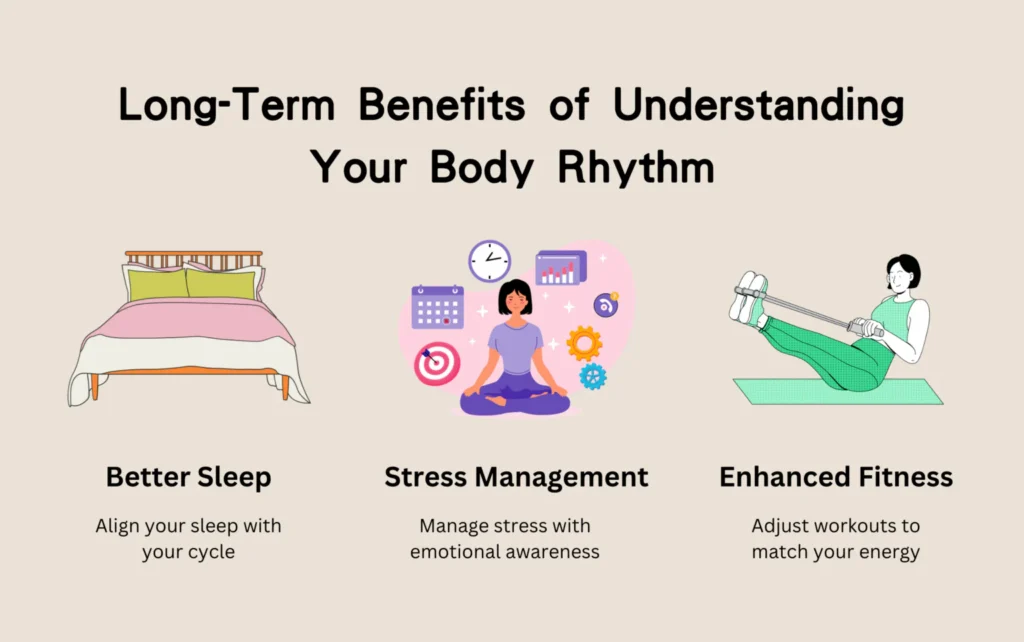
Perhaps the most underappreciated component of one's own health is sleep. Your body heals damaged tissues, solidifies memories, controls hormones, and revitalizes the immune system as you sleep. Chronic sleep deprivation has been associated with a higher risk of heart disease, diabetes, depression, and a shorter life expectancy, even if one only gets six hours of sleep instead of the recommended seven to nine. Making sleep a priority entails establishing a regular nighttime routine, cutting back on screen time an hour before bed, keeping your bedroom dark and cool, and abstaining from afternoon caffeine. Good sleep is a biological need, not a luxury.4. Mental and Emotional Well-Being
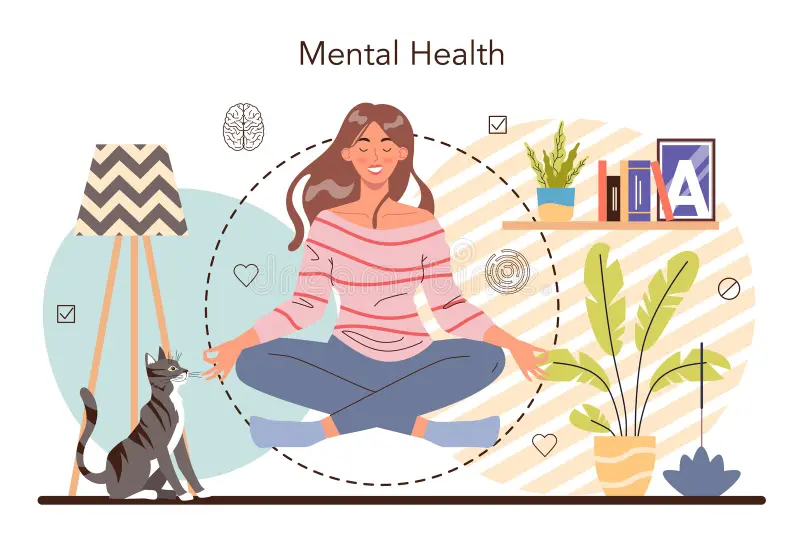
Personal health is not limited to the physical body. Mental and emotional well-being are just as critical. Chronic stress, anxiety, unresolved trauma, and social isolation are now recognized as significant health risks — comparable to smoking in their long-term effects on the body.
Practices like mindfulness, meditation, journaling, therapy, and maintaining strong social connections all support mental resilience. Taking time to rest, play, and engage in activities that bring you joy is not indulgent — it is essential to a healthy, balanced life.
5. Preventive Care and Health Monitoring
Prevention is one of the best investments you can make in your health. Frequent screenings, blood work, dental appointments, and check-ups help you and your doctor identify possible problems early on, when they are most manageable. In the early stages of many dangerous illnesses, such as high blood pressure, excessive cholesterol, and pre-diabetes, there are no evident signs. Don't wait until something seems off. The foundation of long-term wellbeing is maintaining regular health monitoring and cultivating a relationship with a reliable healthcare provider.Healthy Habits That Support the Foundations of Personal Health
Building sustainable habits is how you turn knowledge into results. Here are daily practices that reinforce every pillar:
- Morning movement: Even 10 minutes of stretching or a short walk sets a positive tone for the day.
- Meal prepping: Planning healthy meals in advance reduces the likelihood of poor food choices when you are busy or tired.
- Digital detox windows: Unplugging from screens for set periods reduces mental fatigue and improves sleep quality.
- Gratitude practice: A daily habit of writing down three things you are grateful for has been shown to reduce stress and increase overall life satisfaction.
- Social connection: Spending quality time with people you care about boosts mood, reduces cortisol, and even extends lifespan.
Common Mistakes That Undermine Personal Health
Even people who are motivated to be healthy can fall into traps that hold them back:
Chasing perfection instead of progress. Many people abandon healthy habits because they miss a day or slip on their diet. Health is not about being perfect — it is about building resilience and getting back on track without guilt.
Ignoring mental health. Physical health alone is incomplete. Neglecting emotional well-being creates a ceiling on how healthy you can truly feel.
Following unsustainable trends. Crash diets, extreme workout programs, and detox cleanses may produce short-term results but are rarely sustainable.
Conclusion: Take Charge of Your Health Starting Today
Understanding the foundations of personal health is not about following a rigid plan or achieving a perfect body. It is about making informed, compassionate choices every day that honor your body, mind, and long-term well-being. The pillars of nutrition, movement, sleep, mental health, and preventive care are not separate categories — they are a connected system. Strengthen one and you naturally strengthen the others.
You do not need to overhaul your entire life overnight. Start with one small step today. Drink an extra glass of water. Go for a 15-minute walk. Get to bed 30 minutes earlier tonight. These small acts, repeated consistently, are the building blocks of a healthier, happier life.