

Being healthy is the cornerstone of all you do, so it's not a luxury. Investing in your health is the most powerful choice you can make, whether your goal is to manage stress, feel more energized, or just live longer. Millions of individuals are looking for genuine, doable solutions to regain control over their well-being in 2025 due to the rise in lifestyle diseases, mental health issues, and fast-food culture taking over everyday activities. The good news? Expensive programs and complex diets are not necessary. You may improve your health from the inside out by making little, regular changes to the way you eat, move, sleep, and think. With the help of this comprehensive guide, which is supported by science and explained in simple terms, you can begin making better decisions right now.
What Is Health and Why Does It Matter?
Most people define health simply as the absence of illness. But true health goes far beyond that. According to the World Health Organization (WHO), health is a state of complete physical, mental, and social well-being — not merely the absence of disease or infirmity.
This broader view of health means that even if you do not have a diagnosed condition, you may still not be thriving. Chronic fatigue, low mood, poor digestion, and constant stress are all signs your body and mind may need attention.
The Three Pillars of Good Health
Understanding health in its full sense means looking at three interconnected pillars:
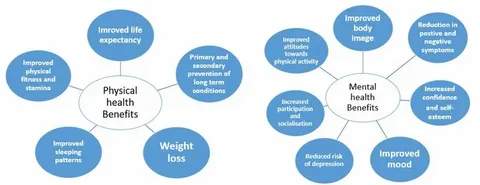
1. Physical Health This includes your cardiovascular fitness, muscle strength, flexibility, healthy body weight, and how well your organs function. Physical health is directly influenced by your diet, exercise routine, sleep quality, and habits like smoking or alcohol use.
2. Mental Health Your psychological state affects everything — your relationships, work performance, decision-making, and even your immune system. Anxiety, depression, and chronic stress are among the most common health challenges in the modern world.
3. Social and Emotional Health Humans are social beings. Loneliness has been linked to higher rates of heart disease, depression, and early death. Building meaningful connections, setting healthy boundaries, and processing emotions are critical components of whole-person health.
Top Health Benefits of Regular Exercise

One of the most evidence-backed actions you can take for your health is moving your body consistently. Exercise is not just about weight loss — its benefits are wide-reaching and life-changing.
Physical Benefits of Staying Active
Regular physical activity strengthens your heart and lungs, reduces the risk of type 2 diabetes, lowers blood pressure, and improves cholesterol levels. It also builds and maintains bone density, which becomes increasingly important as you age.
Adults who exercise at least 150 minutes per week — roughly 30 minutes five days a week — significantly lower their risk of cardiovascular disease, stroke, and certain cancers. Even short walks after meals improve blood sugar regulation and digestion.
Mental Health Benefits of Exercise
Exercise releases endorphins — the brain's natural feel-good chemicals. Studies consistently show that regular physical activity reduces symptoms of depression and anxiety, sometimes as effectively as medication. It also improves sleep, boosts self-esteem, and sharpens cognitive function.
If you struggle to find motivation, start small. A 10-minute daily walk is a genuine health improvement. Build from there.
Nutrition and Health: Eating Your Way to a Better Life
What you eat directly shapes how you feel, think, and age. Poor nutrition is one of the leading contributors to chronic diseases worldwide — including obesity, heart disease, and type 2 diabetes. Yet improving your diet does not require extreme restriction.
Foods That Support Long-Term Health
Focus on whole, minimally processed foods. A health-supportive diet includes:
- Fruits and vegetables — rich in antioxidants, fiber, and essential vitamins
- Whole grains — oats, brown rice, and quinoa for sustained energy and gut health
- Lean proteins — chicken, fish, eggs, legumes, and tofu for muscle repair and satiety
- Healthy fats — avocados, nuts, seeds, and olive oil for brain and heart health
- Water — staying well-hydrated supports every system in the body
Equally important is reducing ultra-processed foods, added sugars, and excessive sodium — all of which are linked to inflammation, weight gain, and metabolic disease.
The Gut-Health Connection
Emerging research confirms that gut health plays a central role in immunity, mood, and overall wellness. A diverse diet rich in fiber and fermented foods (like yogurt, kefir, and kimchi) supports a healthy microbiome — the trillions of bacteria that live in your digestive tract and influence nearly every aspect of health.
The Missing Piece Most People Ignore
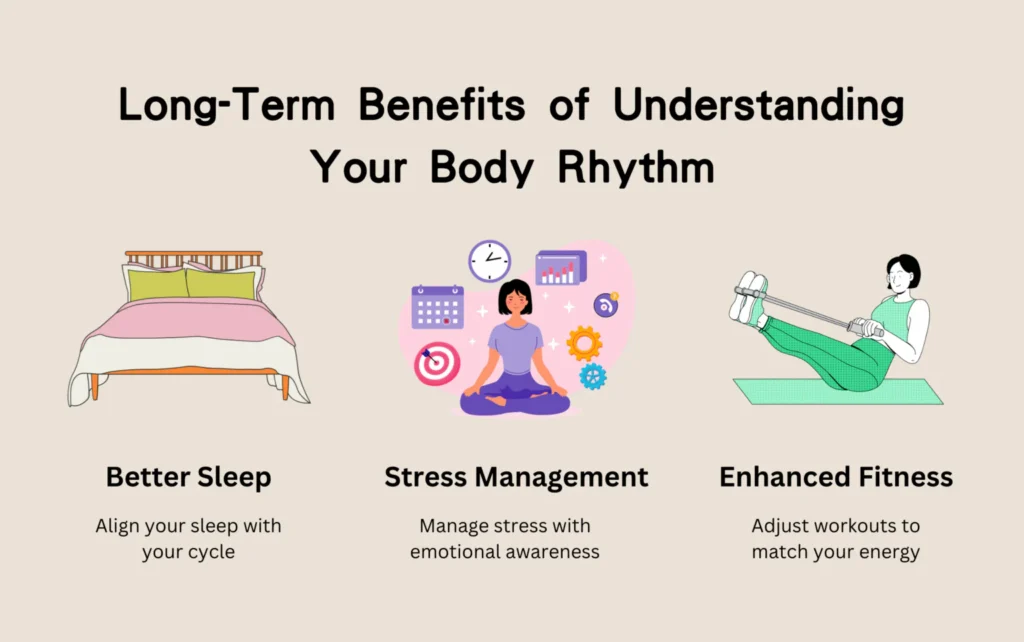
Your body does its most crucial healing job when you sleep, therefore it's hardly a passive pastime. Your brain eliminates pollutants, muscles heal, hormones balance, and memories solidify when you sleep deeply. Obesity, heart disease, decreased immunity, poor mental health, and even a shorter lifespan are all associated with chronic sleep deprivation. Maintain a regular sleep schedule, even on the weekends.>Before going to bed, spend at least 30 to 60 minutes away from screens. Make sure your bedroom is quiet, dark, and chilly. After 2:00 pm, avoid caffeine.
>Before going to bed, engage in a calming activity like reading or stretching.
Taking Care of Your Mind Is Part of Taking Care of Your Health
The stigma around mental health is fading — and for good reason. One in four people globally will experience a mental health condition at some point in their lives. Recognizing the signs early and seeking support is a sign of strength, not weakness.
Simple Habits That Support Mental Health
You do not need a therapist to start supporting your mental health (though therapy is valuable and encouraged). Daily habits that make a real difference include:
- Mindfulness and meditation — even 5–10 minutes a day- reduce cortisol and anxiety
- Journaling — writing about your thoughts helps process emotions and reduce mental clutter
- Limiting news and social media — information overload fuels anxiety for many people
- Physical activity — as mentioned, exercise is one of the most effective mental health tools available
Preventive Health Care: Stay Ahead of Problems
One of the smartest health strategies is prevention. Regular check-ups, screenings, and vaccinations help detect issues early — when they are easiest to treat. Preventive health care includes:
- Annual physical exams and blood panels
- Dental cleanings every 6 months
- Eye and vision checks
- Recommended cancer screenings (mammogram, colonoscopy, PSA test, etc.)
- Keeping vaccinations up to date
- Monitoring blood pressure, cholesterol, and blood sugar regularly
Many serious conditions — including high blood pressure and early-stage cancers — have no obvious symptoms. Regular screenings are your early warning system.
Conclusion: Your Health Journey Starts Today
Your health is your most valuable asset — and it deserves your attention every single day. The path to better health is not about perfection. It is about consistent, meaningful choices: eating one more vegetable, taking a short walk, going to bed 30 minutes earlier, or simply checking in with how you feel.
Whether you are starting from scratch or fine-tuning an already healthy lifestyle, the principles in this guide give you a clear, science-backed roadmap. Remember — every positive step counts.
Ready to take control of your health? Start with one change this week. Track how you feel after 30 days. Share this guide with someone you care about. And when in doubt, reach out to a qualified healthcare professional who can support your personal health journey.